The short answer
Yes, olive oil can clog drains. It starts as a liquid, but it cools in the pipe, coats the wall and mixes with food scraps and soap. Over weeks, the coating grows into a sticky layer that narrows the pipe.
A spoonful now and then will not ruin a drain, but regular use will. A larger amount, such as pan drippings, does the most harm.
What happens to oil in a pipe
Oil does not mix with water. In a warm sink it flows, but as it moves down the drain it meets cooler pipe and cold water and thickens. It sticks to the pipe wall and traps hair, food particles and soap.
Layer by layer, that mass narrows the drain. Eventually only a trickle gets through, and a small extra load causes a full blockage.
| Fat or oil | In the pan | In the pipe |
|---|---|---|
| Olive oil | Liquid | Thickens and coats pipe walls. |
| Bacon grease | Liquid when hot | Hardens into a solid layer. |
| Butter | Soft or melted | Solidifies in cool pipe. |
| Coconut oil | Solid at room temperature | Hardens quickly in the pipe. |
Signs oil is building up
The early signs are easy to miss.
Slow kitchen sink
The drain is narrowing from buildup.
Smells from the drain
Fats trap food scraps that rot.
Gurgling
Air is moving past a partial blockage.
Clog returns after clearing
The pipe wall is still coated.
Cooking oil and septic systems
Many homes in this area use septic systems rather than a public sewer. The Eastern Highlands Health District oversees septic matters in towns such as Mansfield, Columbia and Coventry. Fats and oils can build up in a tank and carry solids into the leach field.
If your house is on septic and the kitchen drain is slow, tell us. Our sewer line cleaning page explains how we check the line to the tank.
Connecticut's Public Health Code sets technical standards for subsurface sewage disposal, so a tank that is overloaded with fats is a real problem and not a matter of taste.
Kitchen drain slowing down?
Call and we will check the line and clear it.
What to do with used oil
Let it cool, pour it into a sealable container such as a jar or an empty can and put it in the trash. Wipe greasy pans with a paper towel before washing. Some towns offer cooking oil collection, so check with your transfer station.
For small amounts left in a pan, wipe it out with a paper towel. Do not run hot water and soap to push it down the drain. That moves the problem further down the line.
If oil has already caused a clog
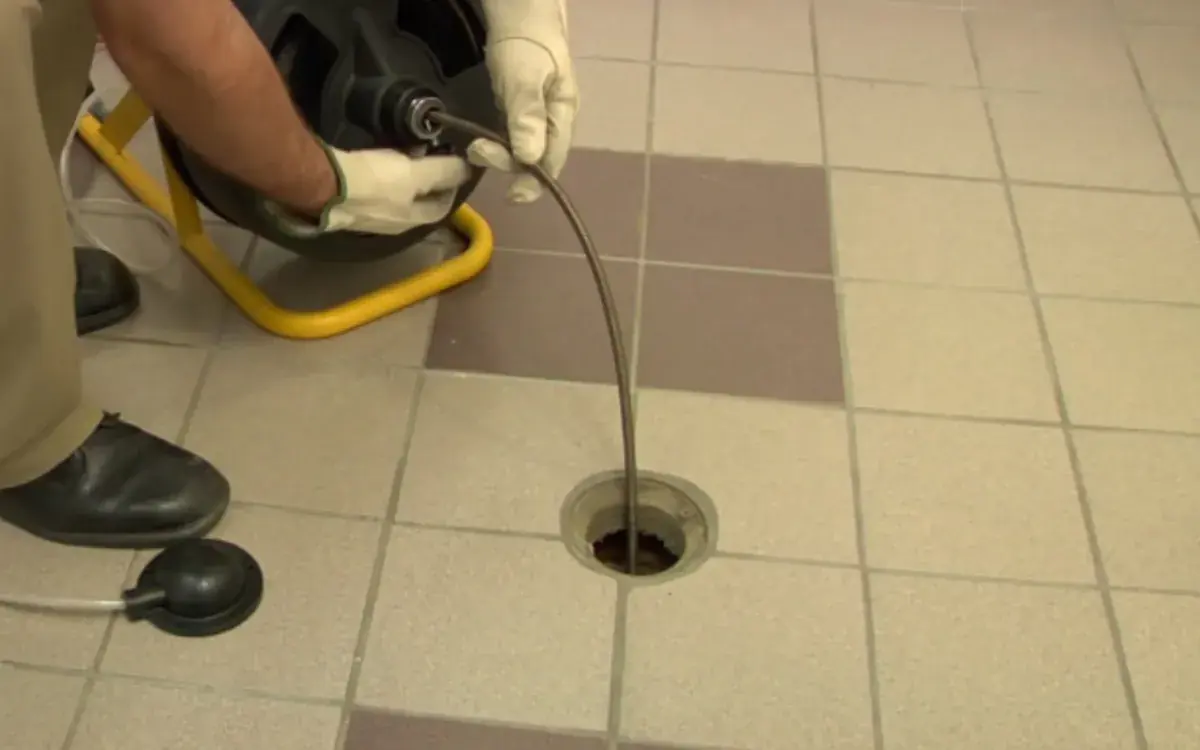
A light film can be helped with hot water and dish soap, and a plunger may break a soft plug. A heavier buildup needs a cable to scrape the pipe wall or, for long runs, jetting. Chemical cleaners are a poor choice for grease and hard on pipes.
We clear kitchen drains with the right cable and flush the line afterward. If the clog returns, a camera shows whether the pipe has other problems. Our drain cleaning service covers the process.
Other kitchen items that clog drains
Grease is not the only culprit. Coffee grounds settle and pack together. Eggshells and starchy foods such as rice and pasta swell and stick. Fibrous vegetables like celery and corn husks tangle in the trap or the disposal.
A strainer in the sink catches most of these before they reach the pipe. Scrape plates into the trash first, and the pipes will reward you.
| Item | Why it clogs | Better option |
|---|---|---|
| Coffee grounds | Pack and settle | Trash or compost. |
| Rice and pasta | Swell with water | Trash. |
| Eggshells | Collect in the trap | Trash or compost. |
| Fibrous vegetables | Tangle in the disposal | Trash or compost. |
What a plumber sees inside greasy pipes
When we put a camera into a kitchen drain that has been used for years, the pipe wall is often lined with a thick, tan layer. It narrows the opening to a fraction of its size and holds on to every scrap that passes. That layer began as thin coats from daily washing, not one big spill.
A cable can scrape it back, but the fat soon returns if the habits do not change. Wiping pans first is the cheapest repair in the house.
Habits that keep drains open
Scrape plates into the trash, use a sink strainer and run hot water for a few seconds after using the sink. Avoid putting coffee grounds, rice and pasta down the drain. If you have a disposal, it does not make grease safe.
Rental houses near Storrs see this a lot. A short note to tenants about grease can save a service call.
Windham cooking oil and drain questions
Is a little olive oil in the sink okay?
A small amount mixed with plenty of water is unlikely to cause harm. Regular use builds up over time.
Can I flush grease down with hot water and soap?
It moves the grease further down the line, where it hardens again. Wipe and bin it instead.
Does a garbage disposal handle oil?
No. A disposal grinds food, and oil still coats the pipe.
What should I do with used cooking oil?
Let it cool, seal it in a container and put it in the trash, or check for local collection.
How do I know if grease is clogging my septic system?
Slow drains and odors can be signs. Septic pumping and inspection are separate services.
Greasy drain not clearing?
Call and we will clear the line and look at why it keeps clogging.
Call (860) 397-8103