The first five minutes
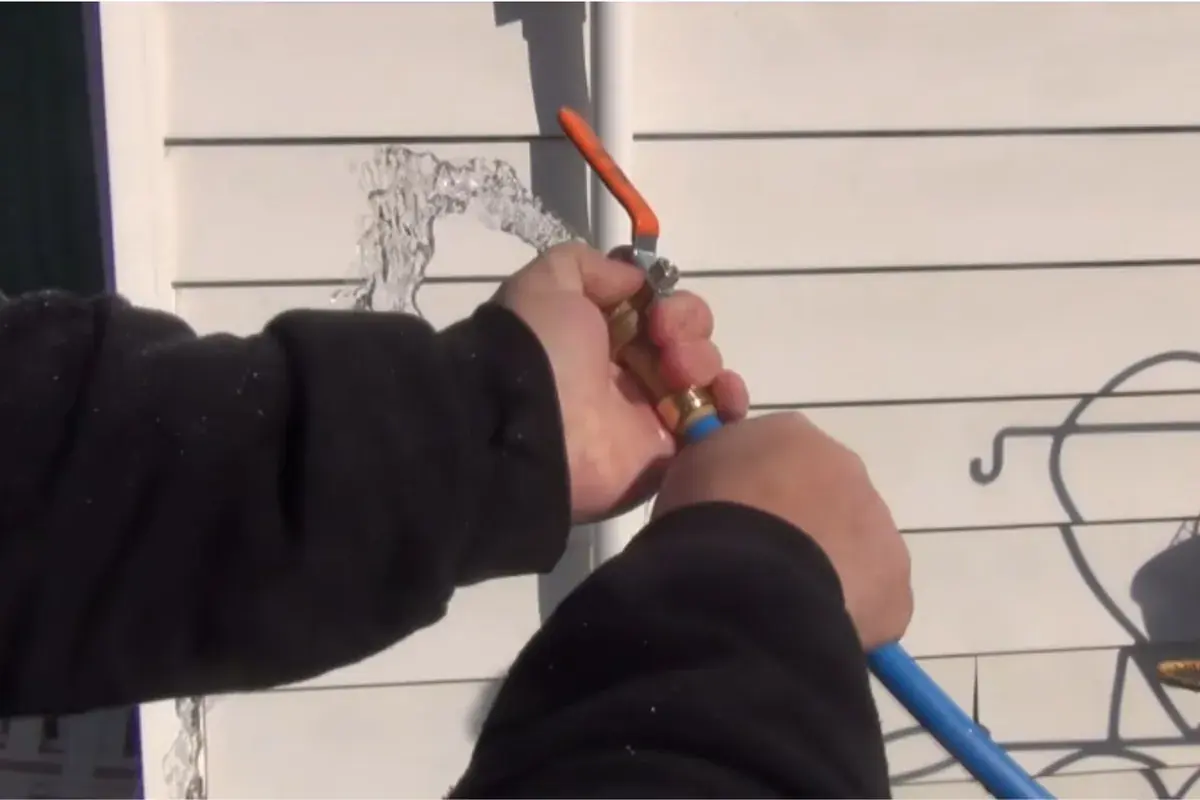
Close the main water valve. Find it now if you do not know where it is, because you will not want to search in a flood. Then open the lowest faucet to drain the line and switch off power to wet areas.
Move valuables off the floor, take photos of the damage for your insurer and call a plumber. If the ceiling is sagging with water, stay out from under it.
Why pipes burst
Freezing is the usual cause. Ice blocks the pipe, pressure builds between the blockage and a closed tap and the pipe splits where it is weakest. The split is often not where the ice is, but downstream.
Other causes include corrosion, high water pressure, a loose fitting and impact damage. In older homes, years of small repairs can leave weak spots.
Frozen supply in exterior walls
Cold air reaches the pipe and ice forms.
Unheated spaces
Garages, crawlspaces and attics are common freeze points.
Old or corroded pipe
Thin walls fail under normal pressure.
High pressure
Pressure above the normal range stresses joints and fittings.
Know your shutoff before winter
Connecticut's winters put pipes in exterior walls and unheated spaces at risk. If you are on public water, there is a meter and a shutoff where the line enters your home. If you are on a private well, the pressure tank and the pump breaker are also part of the shutoff plan.
Walk through your house and tag the valves before the first hard freeze. Our burst pipe repair page explains what we do when you call.
According to Connecticut Department of Public Health guidance, well water should be retested after repairs to the pump or pipes.
How repairs work
Repair starts with shutting off water and locating every break. Then we cut out the damaged section and replace it with new pipe and fittings suited to the material. We pressure test before closing walls.
The table shows how method matches material and situation.
| Pipe | Common repair | Note |
|---|---|---|
| Copper | Cut out section, solder or press in new pipe | Check for more splits nearby. |
| PEX | Replace the damaged run with fittings | Often survives a freeze better. |
| Galvanized steel | Section repair or repipe | Brittle pipe may fail again. |
| Drain pipe | Replace the cracked section | Test the repair with water. |
Pipe split or frozen?
Call the 24/7 line and we will walk you through the shutoff.
Drying out and insurance
Water damage gets worse fast. Mold can start within a couple of days, so remove wet items, run fans and dehumidifiers and open cabinets. Call your insurer early and keep receipts for drying and repairs.
Insurers often cover sudden bursts, but not damage from a long-neglected problem. Photograph everything before cleanup. A plumber can describe the failure in plain terms for your claim, and we explain our approach on the leak detection page.
Preventing the next burst
Keep heat on, even in a house you leave for a stretch. Open cabinet doors on exterior walls during cold snaps. Let a trickle run at the farthest faucet when temperatures plunge. Insulate pipes in unheated areas and seal air leaks near pipes.
Disconnect garden hoses and shut off exterior spigots. If a pipe has frozen once, it will probably freeze again. We can check and protect those spots at a visit.
Mistakes that make a burst worse
The most common mistake is waiting. A pipe that is still feeding water keeps flooding until the main is shut off, so shut it off first and think second. Another is using electrical appliances near water, which is dangerous.
People also forget to turn off the water heater when the water is shut off, which can damage the tank if it runs dry on an electric unit. Switch off power to an electric heater at the breaker, and set a gas heater to pilot or off.
A simple winter checklist for your house
A short list done in the fall prevents most freeze calls. Insulate pipes in garages, crawlspaces and attics. Seal gaps where pipes enter exterior walls. Drain and shut off outdoor spigots and store hoses.
Know where the main shutoff is and make sure it turns. Set a reminder to check the thermostat if you travel, and ask a neighbor to look in if the power goes out while you are gone.
When to call and what to tell us
Call as soon as the water is shut off. Tell us where the water is coming from, what the pipe is made of if you know and whether the ceiling or floor is wet. If you are in Columbia or Lebanon on a well, tell us that too.
We answer at any hour and send a technician the same day when one is available.
Windham burst pipe questions
What do I do first when a pipe bursts?
Close the main water valve, open the lowest faucet, switch off power to wet areas and call a plumber.
Will my insurance cover a burst pipe in Windham?
Often for sudden bursts, but not for neglect. Call your insurer promptly and keep photos and receipts.
How do I find the main valve?
Look near where the water line enters the house, often in the basement near the front wall or by the water heater.
Can a frozen pipe be thawed without calling a plumber?
Sometimes. Open the faucet and warm the pipe gently. If there is any crack or water, shut off the main and call.
How quickly should I dry out the house?
Start right away. Mold can begin within a couple of days in wet materials.
Water still running?
Call the 24/7 line after you close the main. We move quickly on burst pipes.
Call (860) 397-8103