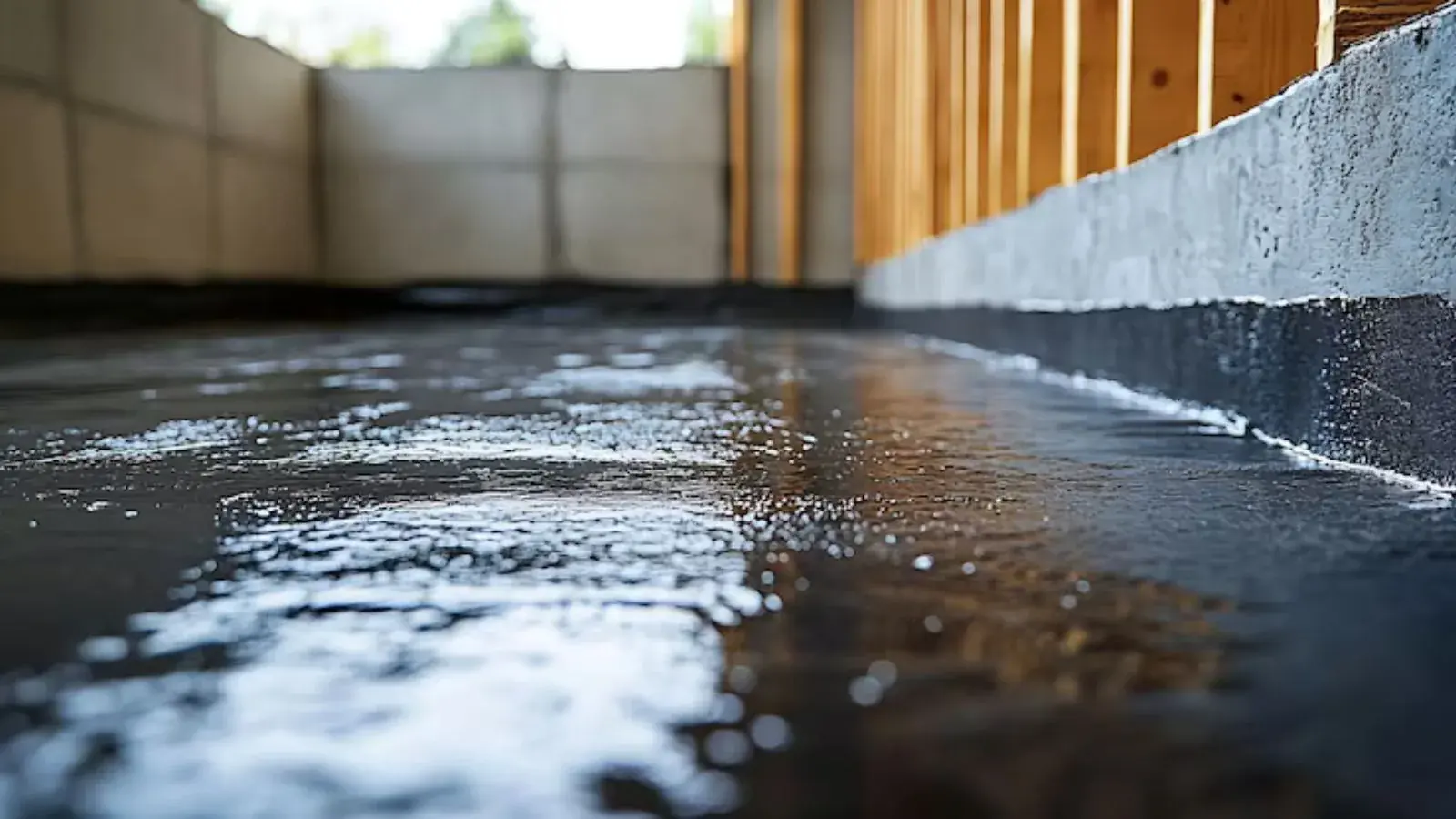
Basement Waterproofing in Windham, CT
A wet basement has a source, and finding it comes first. We assess floor drains, cracks and sump systems and handle the plumbing side of waterproofing in Windham.
- Floor drains and sumps
- Crack assessment
- Planned visits
Where basement water comes from
Water enters a basement in a few ways, and each needs a different fix. It can seep through the wall or floor, come up through cracks, enter at the joint where wall meets floor or back up through a drain.
Before we recommend any work, we look at when the water appears, where it first shows and what the drainage is doing outside. Rain, snowmelt and a leaking pipe look similar but are not the same.
Reading the signs
The location and timing of the water tell us where to start.
Water at the wall-floor joint
Groundwater pressure is pushing through the joint.
Water through a floor crack
Water table or hydrostatic pressure from below.
Water from a floor drain
A blocked drain line or a sewer backup.
Damp with no rain
A plumbing leak, condensation or a leak from a pipe above.
Crack repair and when it is enough
A crack in a foundation wall or floor that is leaking can sometimes be sealed from the inside with a flexible injection or sealant. That works for a single crack that is not moving. It does not fix a wall that is bowing or a floor that is pushed up.
If we see structural movement, we tell you to bring in a foundation or structural specialist rather than patching over it. Sealing a moving crack only hides the problem for a while.
Water in the basement?
Call to book a visit and we will start with the plumbing sources.
Drains, sumps and the plumbing side
Interior drainage systems collect water at the edge of the basement and send it to a sump pit, which pumps it out. They work well when the pump is sound and the discharge is clear.
We install and repair the sump pit, pump and backup, and we check the floor drain and the sewer line so a backup is not mistaken for groundwater. See our sump pump service and drain cleaning pages for those parts.
Sump pits and pumping systems fall under the storm drainage chapter of the 2021 International Plumbing Code (IPC). We install them to that standard and keep the discharge away from the foundation and out of any sanitary line.
What we do and what other trades do
Waterproofing spans plumbing, drainage and structural work. We handle the plumbing parts, such as sumps, drains and leaks. For exterior excavation, grading, gutters and structural repairs, other trades are better suited, and we say so.
We handle
- Sump pumps and backups.
- Floor drains and drain lines.
- Leaking pipes and fixtures.
- Plumbing-side inspections.
Other trades handle
- Exterior excavation and membranes.
- Grading and gutters.
- Structural cracks and bowing walls.
- Window wells and bulkheads.
What affects the cost of basement waterproofing work
Plumbing-side waterproofing is quoted after an assessment.
Wet basements around Windham
Many homes around the Willimantic and Natchaug rivers have high water in wet seasons, and older stone and block foundations can seep where mortar has aged. Newer homes in Mansfield may see drainage problems where grading has settled.
We tell you honestly if the cause lies outside the plumbing. That saves money and gets the right trade on the job.
Basement waterproofing questions
Do you do full basement waterproofing?
We handle the plumbing side, including sumps, drains and leaks. For exterior excavation and structural repairs, we recommend other trades.
Why does my basement flood after rain?
Groundwater pressure, a clogged drain or a failing sump are common reasons. We look at when and where the water shows up.
Can a crack be sealed from the inside?
Sometimes, if it is not moving. We tell you when it needs a structural specialist.
Is a sump pump enough to keep the basement dry?
Often, when the pump is sized right and has a backup. It does not fix grading or gutter problems.
How do I tell if the water is from a pipe or from the ground?
A pipe leak keeps going in dry weather and the meter may move. Ground water follows rain and snowmelt.
Can you help with a basement that smells damp?
Yes. We check for leaks and drain issues. A dehumidifier or ventilation may also help, and we tell you what we find.
Dry out the basement for good
Call to book an assessment so we can find where the water comes from.
Call (860) 397-8103